
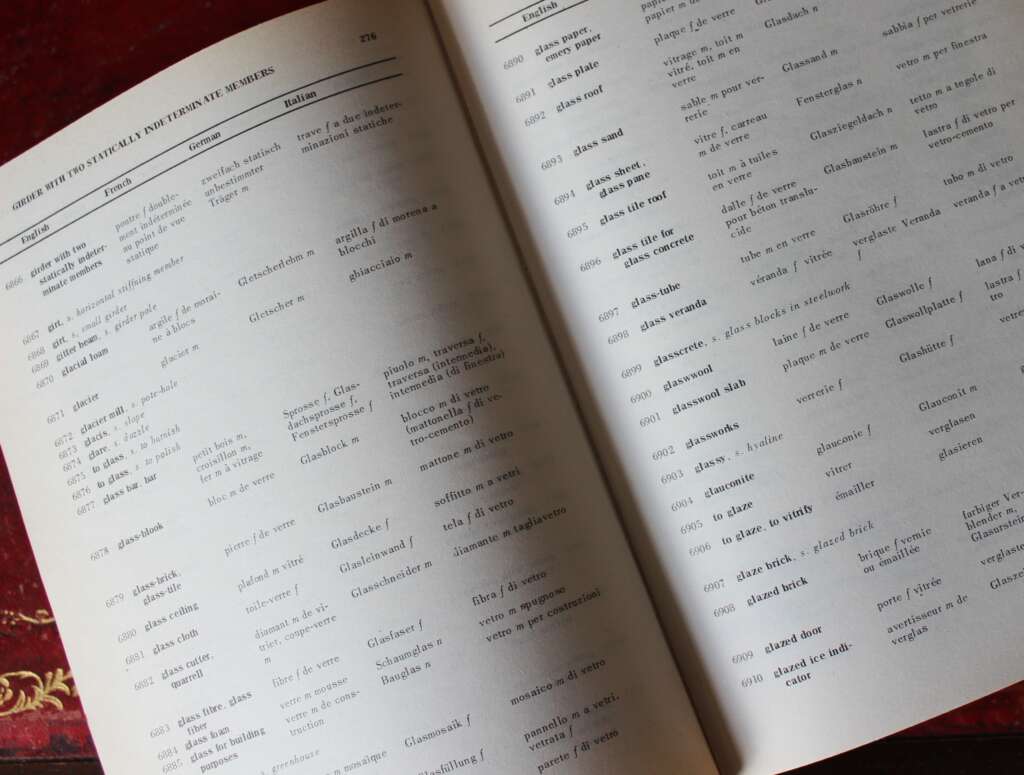
In an era where a quick Google search yields instant definitions, the idea of using a physical dictionary might seem quaint, even archaic. Yet, for those who cherish the written word, there is an undeniable charm and distinct advantage to flipping through the pages of a well-worn dictionary. Beyond mere nostalgia, physical dictionaries offer cognitive, sensory, and even cultural benefits that their digital counterparts struggle to replicate.
A Tactile and Sensory Experience
There is a unique pleasure in holding a book, feeling the weight of knowledge between one’s hands. The act of turning pages, running a finger down columns of words, and even catching the subtle scent of aged paper creates an immersive experience. This sensory engagement reinforces learning and recall in ways that sterile screen reading cannot. Studies suggest that physical interaction with books improves comprehension and memory retention, making traditional dictionaries an excellent tool for students and language lovers alike.
The Art of Serendipitous Discovery
One of the greatest joys of using a physical dictionary is the accidental discovery of new words. Unlike digital searches, which direct users straight to a specific definition, paging through a dictionary often leads to delightful encounters with unfamiliar words along the way. This organic form of learning enhances vocabulary naturally, fostering curiosity and a deeper appreciation for language.
Distraction-Free Learning
In today’s hyper-connected world, searching for a word online often leads to unintended digital detours—checking emails, scrolling through social media, or falling down the rabbit hole of unrelated internet searches. A physical dictionary eliminates these distractions, allowing for focused and uninterrupted engagement with language. This singular focus promotes deeper understanding and absorption of information.
A Testament to Quality and Craftsmanship
Many secondhand dictionaries are beautifully bound, their pages filled with meticulous typography and historical richness. Unlike modern mass-produced books, older dictionaries often possess a craftsmanship that makes them a joy to own and use. The sturdy bindings, fine paper, and elegant fonts reflect an era where books were treasured possessions rather than disposable commodities.
A Connection to Literary Tradition
Great writers and scholars have long relied on physical dictionaries. Samuel Johnson’s 18th-century masterpiece, A Dictionary of the English Language, was a cornerstone of literary scholarship. J.R.R. Tolkien, known for his love of language, famously turned to his dictionary for inspiration in crafting Middle-earth’s intricate tongues. Owning and using a physical dictionary connects modern readers to this rich literary tradition.
Sustainable and Sentimental Value
Choosing a secondhand dictionary is an environmentally friendly decision. Rather than contributing to digital waste or the constant consumption of new products, buying used books gives them a second life. Additionally, older dictionaries often contain personal annotations, margin notes, or even pressed flowers—small remnants of previous owners’ intellectual journeys, adding a sentimental and historical layer to the reading experience.
The Invitation to Rediscover Physical Dictionaries
For those who cherish the tangible and the timeless, a physical dictionary is more than a reference book—it is a gateway to deeper learning and a connection to the literary past. If you have yet to experience the joys of using one, now is the perfect time to rediscover the pleasure. Explore our curated collection of secondhand dictionaries and bring home a book that is not just a resource but a companion in your love for language.
